Author: karen492

Paneer Curry: A Timeless Vegetarian Indian Dish with Flavor, Tradition, and Health Benefits

Walk into any Indian kitchen on a Sunday afternoon, and there’s a good chance you’ll be greeted by the aroma of paneer simmering in a rich curry sauce. For many families, paneer curry is more than just a meal—it’s comfort food, a dish that brings people together at the table. With its creamy texture, bold spices, and satisfying heartiness, this vegetarian favorite has become a staple not only in India but also in Indian restaurants across the world.

But paneer curry is more than just delicious. It carries cultural heritage, nutritional strength, and an adaptability that makes it suitable for both everyday cooking and celebratory feasts. To understand why paneer curry has remained so beloved for generations, it helps to explore its roots, its health advantages, and the many ways it can be prepared.


Paneer: The Star Ingredient

At the heart of this dish is paneer, a fresh cheese unique to South Asian cuisine. Unlike cheeses that are aged or fermented, paneer is soft, non-melting, and incredibly versatile. It’s made by curdling milk with an acid—usually lemon juice or vinegar—and pressing the curds into a firm block.

The result is a mild, creamy cheese that acts like a blank canvas. It absorbs the spices, gravies, and seasonings around it, making it ideal for curries. In India, paneer is often compared to chicken in non-vegetarian cooking: it’s the go-to protein that can be adapted into countless recipes.


Why Paneer Curry Captures Hearts Everywhere

Paneer curry has gained iconic status for a few reasons:

  • A reliable vegetarian protein – For those who don’t eat meat, paneer provides protein in abundance, making it a nutritional centerpiece.
  • A dish for every occasion – Whether it’s a weekday dinner or a festive wedding banquet, paneer curry fits right in.
  • Endless variations – From the velvety Paneer Butter Masala to the earthy Palak Paneer, there’s a style of curry to suit every palate.
  • Universal appeal – Mild enough for beginners, yet flavorful enough for spice lovers, paneer curry bridges cultural and culinary boundaries.

The Nutritional Value of Paneer Curry

For vegetarians, paneer curry is not only satisfying but also nutritionally dense. Paneer itself is:

  • Rich in protein: Helping with muscle repair and maintaining energy.
  • Packed with calcium: Supporting strong bones and teeth.
  • Low in carbs: Making it suitable for those monitoring blood sugar.
  • High in healthy fats: When used in moderation, these fats support hormonal and brain health.

Add in the benefits of spices like turmeric (anti-inflammatory), ginger (aids digestion), and cumin (boosts metabolism), and paneer curry becomes more than a comfort dish—it’s genuinely nourishing.


Different Styles of Paneer Curry

Paneer curry isn’t a single dish—it’s a category of recipes that differ by region, tradition, and preference. Some of the most popular include:

  • Paneer Butter Masala: A creamy, mildly spiced tomato-based curry often enjoyed with naan or rice.
  • Palak Paneer: Paneer cubes simmered in a silky spinach gravy, rich in iron and fiber.
  • Shahi Paneer: A royal-style curry that includes cream, cashews, and aromatic spices for a luxurious texture.
  • Kadai Paneer: Stir-fried paneer with bell peppers and onions, cooked in a rustic spiced tomato sauce.

Each of these versions shows just how adaptable paneer is to different culinary moods—whether you’re in the mood for indulgence, nutrition, or bold spice.


How to Make Classic Paneer Curry at Home

While the variations are endless, here’s a straightforward recipe for a traditional paneer curry you can recreate in your kitchen:

Ingredients:

  • 250g paneer (cubed)
  • 2 onions, finely chopped
  • 2 large tomatoes, pureed
  • 1 tablespoon ginger-garlic paste
  • 2 tablespoons oil or ghee
  • 1 teaspoon cumin seeds
  • 1 teaspoon turmeric powder
  • 1 teaspoon coriander powder
  • 1 teaspoon red chili powder (adjust to taste)
  • 1 teaspoon garam masala
  • ½ cup cream or blended cashews
  • Fresh coriander for garnish
  • Salt to taste

Directions:

  1. Heat oil or ghee in a deep pan and add cumin seeds until they crackle.
  2. Add chopped onions and sauté until golden brown.
  3. Stir in ginger-garlic paste, cooking until aromatic.
  4. Add tomato puree, turmeric, coriander powder, chili powder, and salt. Cook until the oil begins to separate from the mixture.
  5. Gently add paneer cubes and stir carefully so they don’t break apart.
  6. Mix in cream or cashew paste for richness and cook for another 5–7 minutes.
  7. Sprinkle garam masala, stir well, and simmer for two more minutes.
  8. Garnish with fresh coriander before serving.

Tips for Perfect Paneer Curry

  • Soak paneer first: Briefly soaking the cubes in warm water keeps them soft and spongy.
  • Fresh spices make the difference: Using recently ground spices elevates the flavor dramatically.
  • Adjust creaminess: If you prefer lighter curries, reduce the cream and add more tomato or spinach base instead.
  • Homemade paneer is unbeatable: It has a softer texture and fresher taste compared to packaged versions.

What to Serve with Paneer Curry

The joy of paneer curry is how well it pairs with other staples of Indian cuisine:

  • Naan or garlic naan: Ideal for scooping up the thick curry.
  • Jeera rice: Simple cumin-flavored rice balances the richness of the dish.
  • Chapati or roti: A wholesome, everyday bread that pairs beautifully with curry.
  • Vegetable pulao: Adds another layer of flavor for festive occasions.
source: HomeCookingShow

Final Thoughts

Paneer curry is more than just a vegetarian Indian dish—it’s a blend of nourishment, culture, and comfort that resonates across generations. Its mild flavor and versatility have allowed it to transcend borders, making it one of the most recognized Indian recipes worldwide.

Whether you prefer the creamy indulgence of Shahi Paneer, the earthy notes of Palak Paneer, or the homestyle simplicity of a tomato-onion gravy, paneer curry offers something for everyone. For vegetarians, it provides reliable protein and energy. For food lovers, it offers a comforting, aromatic experience.

If you’re looking for a dish that is both nutritionally rewarding and endlessly adaptable, paneer curry deserves a spot in your weekly cooking routine. The next time you’re planning a hearty vegetarian meal, give paneer curry a try—your kitchen will be filled with aromas of tradition, and your plate will hold a dish that never goes out of style.

The written content on this page was generated by ChatGPT.
Hemp Seed Smoothie: The Superfood Blend That Boosts Energy, Health, and Wellness

When it comes to healthy eating, smoothies have carved out a well-deserved place in everyday life. They are quick to prepare, taste refreshing, and, most importantly, can be customized with nutrient-dense ingredients that fit your needs. While berries, bananas, and leafy greens often take the spotlight, there’s another ingredient quietly earning praise among nutrition experts: hemp seeds.

Blending hemp seeds into your smoothie may sound simple, but the health benefits are surprisingly powerful. They add protein, essential fats, and minerals in a form that your body can easily absorb. Let’s take a closer look at why this tiny seed deserves attention, and how a hemp seed smoothie can become one of the most nourishing parts of your daily routine.


What Exactly Are Hemp Seeds?

Hemp seeds come from the Cannabis sativa plant, but don’t let that mislead you—they are entirely safe and non-psychoactive. Unlike marijuana, hemp seeds contain only trace amounts of THC, far too low to have any effect. Instead, what they deliver is a concentrated source of nutrition that has been used in traditional diets for centuries.

Inside each small seed is an impressive nutrient profile. Just a few spoonfuls can provide:

  • Roughly 10 grams of complete plant-based protein
  • A balanced ratio of omega-3 and omega-6 fatty acids
  • Important minerals such as magnesium, zinc, and iron
  • A mix of soluble and insoluble fiber to support gut health

Because of these qualities, hemp seeds are often recommended to people who want a clean, natural way to add protein to their diet without relying on heavily processed powders or animal-based products.


Why Hemp Seeds Belong in Your Smoothie

Adding hemp seeds to a smoothie is about more than just boosting protein. Their nutritional profile offers benefits that extend to multiple areas of health.

Complete Protein for Muscle and Recovery

Unlike many plant foods, hemp seeds contain all nine essential amino acids. This makes them a rare source of complete protein for vegetarians and vegans. If you are active, they can support muscle recovery and strength after workouts.

A Natural Source of Heart-Healthy Fats

The balance of omega-3 and omega-6 fatty acids found in hemp seeds is unique. These fats help reduce inflammation, support cardiovascular health, and keep cholesterol levels in check.

Better Digestion and Fullness

Thanks to their fiber content, hemp seeds help regulate digestion and can keep you feeling full for longer. Blending them into a smoothie means you’ll enjoy a creamy texture with added digestive support.

Sustained Energy and Mental Focus

A smoothie with hemp seeds is ideal in the morning or midday because it provides steady energy without the sugar crash. The combination of protein, healthy fats, and magnesium helps stabilize blood sugar while supporting brain clarity.

Extra Benefits for Skin, Hair, and Joints

The antioxidants and fatty acids in hemp seeds contribute to radiant skin and stronger hair while also reducing joint stiffness caused by inflammation.


Crafting the Perfect Hemp Seed Smoothie

The beauty of smoothies is that they can be tailored to fit your taste and nutrition goals. Hemp seeds have a light, nutty flavor that blends seamlessly with fruits, vegetables, and even chocolate.

Basic Hemp Seed Smoothie Recipe

Ingredients

  • 2 tablespoons of raw hemp seeds
  • 1 ripe banana, preferably frozen
  • 1 cup unsweetened almond milk (or oat, soy, or coconut milk)
  • ½ cup mixed frozen berries (blueberries, raspberries, or strawberries)
  • 1 tablespoon almond butter or peanut butter
  • Optional: 1 teaspoon honey or maple syrup for sweetness

Directions

  1. Add all ingredients to a high-speed blender.
  2. Blend until smooth and creamy, adjusting thickness with extra liquid if needed.
  3. Pour into a glass, sprinkle a few hemp seeds on top for garnish, and enjoy.

Variations Worth Trying

A hemp seed smoothie can take on countless flavors depending on what you mix in. Here are a few creative twists:

  • Green Detox Hemp Smoothie – Add spinach, cucumber, and a squeeze of lemon juice for a refreshing, nutrient-packed option.
  • Tropical Hemp Smoothie – Combine hemp seeds with pineapple, mango, and coconut water for a vacation-inspired drink.
  • Chocolate Protein Smoothie – Blend in raw cacao powder, a dash of cinnamon, and vanilla extract for a dessert-like taste with a nutritional edge.
  • Post-Workout Power Smoothie – Add a scoop of plant-based protein powder and a handful of oats for extra recovery fuel.

Tips to Elevate Your Smoothie Game

  • Freeze fruit in advance to avoid watering down your smoothie with ice.
  • Blend hemp seeds long enough to ensure a silky texture.
  • Pair hemp seeds with other superfoods like chia seeds, flaxseeds, or spirulina to multiply the health benefits.
  • Keep pre-portioned smoothie packs in the freezer for a quick grab-and-blend option in the morning.
source: Duc C. Vuong

Final Thoughts

A hemp seed smoothie is more than a tasty drink—it’s a nutritional upgrade that supports nearly every aspect of health. With their rich supply of protein, healthy fats, fiber, and essential minerals, hemp seeds transform a basic smoothie into a powerhouse meal or snack.

Whether you’re an athlete needing recovery fuel, a professional looking for sustained focus, or someone who simply wants to feel more energized, this simple addition to your smoothie routine can make a real difference.

Next time you reach for your blender, toss in a spoonful or two of hemp seeds. Your body will thank you with better energy, clearer skin, and stronger overall wellness.

The written content on this page was generated by ChatGPT.
Tempeh Lettuce Wraps: A Flavorful, Plant-Based Twist on a Classic Favorite

here’s something incredibly satisfying about meals you can pick up with your hands. Wraps, tacos, rolls—they offer a kind of casual simplicity that feels comforting, yet when done right, can be packed with nourishing, high-quality ingredients. Tempeh lettuce wraps fall right into that category: easy to make, endlessly customizable, and surprisingly filling. But beyond the fresh crunch and bold flavor lies a nutritional powerhouse, built on one of the most underrated proteins in the plant-based world—tempeh.

This article isn’t just another recipe rundown. It’s a closer look at why these wraps deserve a spot on your weekly menu, how to make them come alive with flavor, and the health benefits that make tempeh a true superfood.

Why Tempeh? A Deeper Look Into This Fermented Marvel

Tempeh might not have the widespread recognition of tofu or the mainstream appeal of plant-based meat substitutes, but it’s been a staple in Indonesian cuisine for centuries. Made by fermenting cooked soybeans into a firm cake, tempeh brings more than just protein to the table—it offers substance, texture, and a subtly nutty flavor that adapts beautifully to marinades and sautés.

What makes tempeh special isn’t just what it offers nutritionally—it’s also how those nutrients are delivered. Because it’s fermented, tempeh provides natural probiotics that support gut health, something most high-protein foods can’t claim. Plus, it’s minimally processed, high in fiber, and incredibly versatile.

Here’s what 100 grams of tempeh typically delivers:

  • ~19g of protein (complete amino acid profile)
  • Iron, calcium, magnesium, and B vitamins
  • Fiber and gut-friendly compounds thanks to fermentation
  • No cholesterol, making it a heart-healthy protein source

For those seeking clean energy, muscle recovery, or better digestion, tempeh checks all the boxes.


The Lettuce Wrap: Simple, Crisp, and Perfectly Balanced

Now, why lettuce? While it might seem like just a vessel for the filling, the right lettuce turns this dish into a textural masterpiece. Think of it as your blank canvas—cool, crisp, and hydrating. Using lettuce leaves instead of tortillas or flatbreads cuts down on carbs and calories while still delivering on the crunch.

Butter lettuce is often the go-to because of its soft, pliable leaves and subtle flavor. Romaine and green leaf are excellent too, especially if you like a sturdier bite.

Together with tempeh, the result is a light yet satisfying meal that feels fresh and wholesome but doesn’t skimp on flavor or protein.


How to Build the Ultimate Tempeh Lettuce Wrap

There are endless ways to flavor and build tempeh wraps, but let’s start with a foundational recipe that delivers a rich, savory flavor with a hint of spice and sweetness.

Ingredients You’ll Need:

  • 1 block of tempeh (8 oz), crumbled or cubed
  • 1 tbsp sesame oil
  • 2 cloves garlic, finely chopped
  • 1 tbsp grated ginger
  • 3 tbsp soy sauce or tamari (for gluten-free)
  • 1 tbsp rice vinegar
  • 1 tbsp maple syrup (or agave nectar)
  • 1 tsp sriracha (optional, for heat)
  • 1 head butter lettuce (washed, leaves separated)
  • 1 shredded carrot
  • 1/4 cup scallions (chopped)
  • 2 tbsp fresh cilantro (optional)
  • 1 tbsp toasted sesame seeds
  • Add-ins: diced bell pepper, avocado slices, chopped peanuts

Directions:

  1. Prep and Steam the Tempeh (optional, but recommended)
    Tempeh can have a slightly bitter edge if you use it straight from the package. Steaming it for 10 minutes softens the flavor and opens it up for better absorption of marinades.
  2. Sauté for Flavor
    Heat sesame oil in a skillet over medium. Add garlic and ginger first—let them sizzle for about a minute until fragrant. Toss in the tempeh and sauté until it begins to brown, about 5-7 minutes.
  3. Add the Sauce
    Whisk together soy sauce, rice vinegar, maple syrup, and sriracha. Pour this into the pan and stir well, making sure the tempeh is coated evenly. Let it cook another few minutes until the sauce thickens slightly and clings to the tempeh.
  4. Build the Wraps
    Take a lettuce leaf, spoon in a portion of the tempeh mixture, and top with shredded carrot, scallions, cilantro, and sesame seeds. Add optional toppings for more texture or creaminess.
  5. Serve Fresh
    These wraps are best enjoyed right after assembly. Serve them on a platter and let everyone build their own for a fun, hands-on meal.

Mix It Up: Flavor Variations and Add-Ons

Once you’ve got the base down, the sky’s the limit. Here are a few variations that keep things exciting:

  • Thai Peanut Style: Swap the soy-based sauce for a creamy peanut sauce with lime and crushed peanuts. Add chopped cucumber and mint for cooling contrast.
  • Smoky BBQ: Use your favorite vegan BBQ sauce and serve with red cabbage and avocado slices.
  • Mediterranean: Replace the soy sauce with olive oil, lemon, garlic, and oregano. Top with chopped olives, tomatoes, and a dollop of hummus.

These wraps are endlessly flexible, which makes them great for meal prepping or feeding groups with different tastes.


Beyond Taste: The Nutritional Edge

Let’s break it down. A serving of tempeh lettuce wraps can easily offer:

  • 20–25g of plant-based protein
  • High fiber content, thanks to tempeh and veggies
  • Low glycemic index, which helps maintain stable energy
  • No refined carbs or added sugars (if you skip bottled sauces)
  • Essential micronutrients, including calcium, iron, B vitamins, and magnesium

If you’re trying to eat clean, build muscle, or just support your gut, these wraps aren’t just a tasty option—they’re a strategic one.

source: Well Your World

Why Tempeh Lettuce Wraps Belong in Your Kitchen

In a world of fast food and complicated recipes, it’s refreshing to have something so simple yet so good for you. Tempeh lettuce wraps combine wholesome ingredients with satisfying flavors and textures, all while keeping your prep time short and your cleanup minimal. Whether you’re vegetarian, flexitarian, or just looking for something new, this is the kind of dish that makes plant-based eating feel accessible, enjoyable, and seriously delicious.

So next time you’re reaching for something quick and healthy, skip the processed stuff and give these wraps a try. Your body—and your taste buds—will thank you.

The written content on this page was generated by ChatGPT.
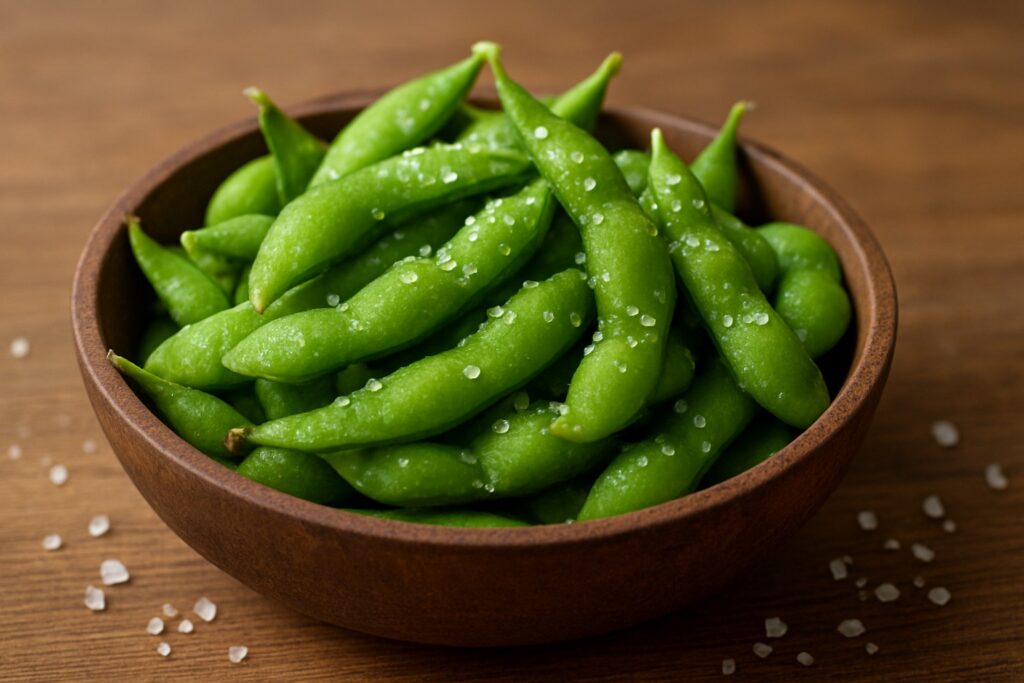
Why Edamame with Sea Salt Should Be Your Next Go-To Snack

There’s something remarkably refreshing about reaching for a snack that doesn’t come from a crinkly bag filled with artificial flavors and preservatives. In a time when we’re all trying to make better food choices without sacrificing flavor, edamame sprinkled with sea salt emerges as a nearly perfect option—nutritious, satisfying, and delightfully simple.

If you’ve ever sat down at a Japanese restaurant and been served a warm bowl of edamame pods dusted in salt, you’ve already experienced their charm. But what many people don’t realize is that this humble snack is brimming with essential nutrients and plant-based protein. And when paired with the right kind of salt—like mineral-rich sea salt—it becomes a powerhouse for both health and taste.

Why Edamame with Sea Salt Should Be Your Next Go-To Snack

From Humble Origins to Modern Superfood

Edamame has long been a staple in East Asian cuisine, particularly in Japan, China, and Korea. Traditionally served as a snack or appetizer, edamame is simply the name for young, green soybeans harvested before they fully mature. Unlike their beige, dried cousins used for tofu or soy milk, these bright green pods are tender, slightly sweet, and utterly addictive when seasoned right.

Although it has ancient roots, edamame didn’t make its way into Western supermarkets and health food circles until fairly recently. Today, thanks to the growing interest in plant-based eating and high-protein vegetarian options, it’s earned a spot in many households as a delicious and health-conscious snack.


What Makes Edamame So Nutritious?

Edamame stands out in the world of healthy snacks because of its exceptional nutrient profile. One cup of cooked edamame (in pods) delivers more than just flavor—it offers an impressive range of essential nutrients your body craves:

  • 17 grams of high-quality protein
  • 8 grams of dietary fiber
  • Iron, calcium, and magnesium
  • Folate and vitamin K
  • All nine essential amino acids

It’s also worth noting that edamame is one of the few plant-based foods that qualifies as a complete protein—something usually only found in animal products. That makes it an ideal protein source for vegetarians, vegans, or anyone trying to eat more plant-forward.

The fiber content in edamame adds another layer of benefit, helping you feel fuller for longer while supporting healthy digestion. With so much nutritional value packed into each bite, it’s no surprise that edamame is often considered a superfood.


Why Sea Salt? A Perfect Pairing with Purpose

While edamame is fantastic on its own, adding a pinch of sea salt elevates it to another level of satisfaction. But sea salt isn’t just about taste—it brings a nutritional edge that standard table salt can’t match.

Sea salt is derived through natural evaporation of seawater and typically undergoes less processing than table salt. As a result, it retains trace minerals like calcium, potassium, magnesium, and iron, which support electrolyte balance, bone health, and even cardiovascular function.

From a culinary perspective, sea salt enhances the natural umami of the edamame, drawing out its nutty, earthy notes without overpowering its clean flavor. A light toss of salt is all it takes to turn a simple bean into a crave-worthy snack.


The Health Benefits: More Than Just a Tasty Bite

Edamame seasoned with sea salt offers more than great taste—it delivers real health benefits that make it a standout snack for everyday eating.

1. Supports Muscle Repair and Growth

Thanks to its high protein content and complete amino acid profile, edamame is particularly beneficial for anyone focused on maintaining or building muscle. Whether you’re an athlete, recovering from exercise, or simply trying to stay strong as you age, the protein in edamame helps your body rebuild and recover.

2. Balances Blood Sugar Levels

Unlike many carbohydrate-heavy snacks, edamame has a low glycemic index. That means it won’t cause sudden blood sugar spikes. The combo of protein and fiber also slows digestion, helping keep energy levels steady and reducing cravings.

3. Promotes Heart Health

Regular consumption of soy-based foods like edamame has been linked to lower LDL cholesterol (the “bad” kind) and improved heart function. The isoflavones in soybeans, combined with magnesium and folate, contribute to a healthier cardiovascular system.

4. Aids in Weight Management

Feeling full and satisfied is crucial if you’re trying to avoid unnecessary snacking or overeating. Edamame checks both boxes, thanks to its dense protein and fiber content. It’s the kind of snack that helps you feel fueled, not just full.


How to Prepare Edamame with Sea Salt: Simple and Delicious

Making your own edamame at home couldn’t be easier. Here’s a foolproof method to get that restaurant-style experience in your own kitchen.

Ingredients:

  • 1 bag of frozen edamame in pods (available at most supermarkets)
  • Sea salt to taste (start with 1/2 to 1 tsp)
  • Optional: chili flakes, garlic powder, toasted sesame oil

Instructions:

  1. Boil water in a medium pot. Add a pinch of salt for flavor.
  2. Add the frozen edamame and cook for 4–5 minutes, until the pods are heated through and tender.
  3. Drain and transfer to a bowl. While still warm, sprinkle generously with sea salt and toss to coat.
  4. Add optional toppings for a kick—chili flakes or a drizzle of sesame oil work beautifully.

To eat, simply squeeze the beans out of the pods with your teeth and discard the outer shells. Serve warm for a comforting snack or chilled as a refreshing bite in warmer weather.


Is Edamame Right for Everyone? A Few Considerations

While edamame is widely considered a healthy food, there are a few things to keep in mind:

  • Soy Allergies: As with any soy product, people with soy allergies should avoid edamame.
  • Thyroid Concerns: Individuals with thyroid issues should consult their doctor, as excessive soy consumption may interact with thyroid medication.
  • Sodium Sensitivity: While sea salt is less refined than table salt, it still contains sodium. Those watching their sodium intake may want to season more lightly or use alternatives like lemon juice or low-sodium tamari.

For most people, however, edamame with sea salt is not only safe but highly beneficial when enjoyed as part of a balanced diet.


Where to Buy Edamame

You’ll find frozen edamame in pods at nearly any major grocery store, usually in the frozen vegetable section. Asian grocery stores may also carry fresh edamame, which tends to cook faster and have a slightly sweeter flavor.

Choose organic when possible, and look for options with minimal packaging or additives for the cleanest version of this wholesome snack.

source: Recipes

A Small Snack That Delivers Big

There’s a quiet kind of brilliance in foods that don’t need much to shine. Edamame with sea salt is exactly that kind of snack—nutrient-rich, unpretentious, and immensely satisfying. It’s proof that simple ingredients, when treated with care, can offer tremendous rewards for your health and your taste buds.

Whether you’re eating it as a midday energy boost, pairing it with dinner, or setting it out for guests as a nourishing appetizer, this vibrant green snack is always a smart choice.

So the next time you’re tempted by chips or cookies, reach instead for a warm bowl of edamame with sea salt. Your body—and your palate—will thank you.

The written content on this page was generated by ChatGPT.
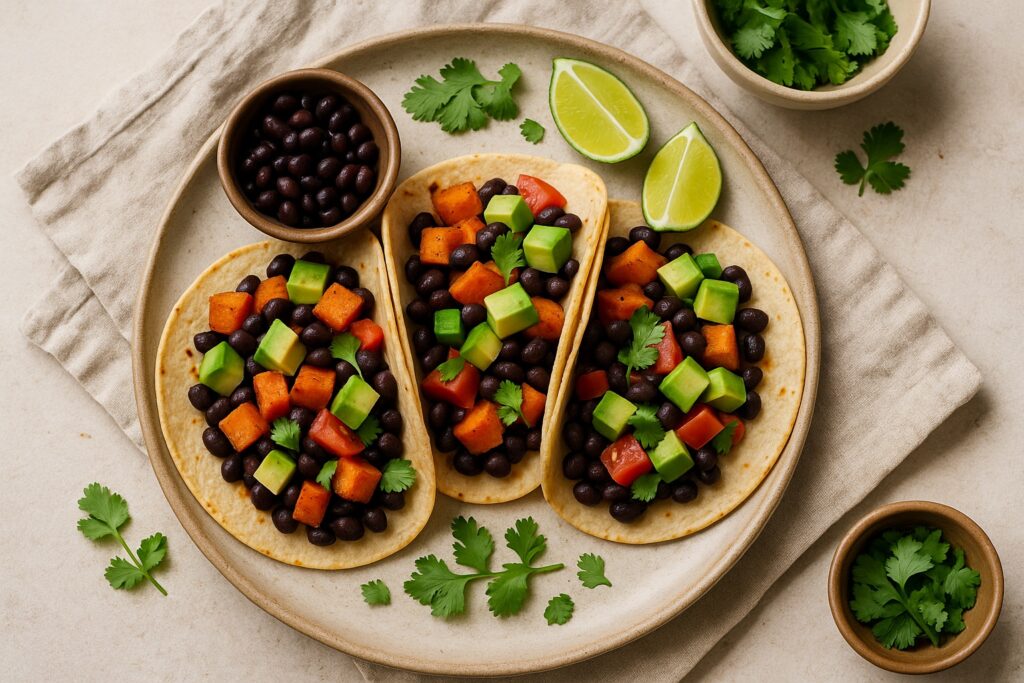
Black Bean and Sweet Potato Tacos: A Bold and Wholesome Twist on Taco Night

Taco night has long been a staple in many households, celebrated for its casual, flavorful, and customizable nature. But every now and then, it pays to venture beyond the usual ground beef or grilled chicken. Enter the surprisingly satisfying Black Bean and Sweet Potato Tacos—a vibrant, nutrient-packed dish that delivers both comfort and nourishment without relying on meat or dairy.

This isn’t just another vegetarian recipe. It’s a meal that balances hearty textures with vibrant spices and fresh toppings. It’s the kind of food that makes you feel good after eating, not just because it’s healthy, but because it’s genuinely delicious. Below, we’ll dive into what makes this taco variation special, how to make it, and why it’s earning a spot in more weekly dinner rotations.

Black Bean and Sweet Potato Tacos: A Bold and Wholesome Twist on Taco Night

A Flavor Pairing That Just Works

Let’s be honest—sweet potatoes and black beans don’t sound like a classic match on paper. One leans sweet and soft, while the other is earthy and dense. Yet when these two ingredients meet, something magical happens. The caramelized exterior of roasted sweet potato cubes mingles beautifully with the creamy, protein-rich black beans, especially when spiced with warm notes like cumin, smoked paprika, and a touch of chili powder.

What makes this combination so appealing isn’t just taste—it’s the contrast in texture. You get that satisfying softness from the sweet potatoes and the rich, meaty bite of the beans, wrapped up in a warm tortilla. It’s deeply comforting but also leaves you feeling light, thanks to its plant-based simplicity.


Digging Into the Nutritional Perks

Let’s not overlook the health benefits here. This taco filling is more than just a tasty blend—it’s a nutrient-rich powerhouse that supports a range of wellness goals.

Why Black Beans Deserve a Spot on Your Plate:

Black beans are an underrated superfood. They’re loaded with fiber, which supports digestion and stabilizes blood sugar. A single cup provides roughly 15 grams of plant-based protein, along with key minerals like magnesium, iron, and folate. They also contain resistant starch, which is beneficial for gut health and metabolic function.

What Sweet Potatoes Bring to the Table:

Sweet potatoes, often praised for their beta-carotene content, convert this antioxidant into vitamin A—essential for vision, immunity, and skin health. They’re also a good source of potassium, which helps balance fluids and supports cardiovascular function. Rich in slow-digesting carbs, sweet potatoes help keep energy levels steady without causing blood sugar spikes.

Together, black beans and sweet potatoes create a well-balanced meal that’s naturally gluten-free, dairy-free (if desired), and packed with nutrients your body loves.


The Recipe: How to Make Black Bean and Sweet Potato Tacos

Ingredients You’ll Need:

For the roasted sweet potatoes:

  • 2 medium sweet potatoes, peeled and diced
  • 1 tablespoon olive oil
  • 1 teaspoon cumin
  • ½ teaspoon chili powder
  • 1 teaspoon smoked paprika
  • Salt and black pepper to taste

For the black beans:

  • 1 can (15 oz) black beans, drained and rinsed
  • 1 clove garlic, minced (optional)
  • Juice of ½ lime
  • Pinch of salt

Toppings (mix and match):

  • Sliced avocado or guacamole
  • Pickled red onions or fresh slices
  • Fresh cilantro leaves
  • Crumbled cotija cheese or vegan cheese alternative
  • Jalapeño slices (for heat lovers)
  • Lime wedges

Base:

  • Corn or flour tortillas, warmed

Step-by-Step Preparation

Step 1: Roast the Sweet Potatoes
Preheat your oven to 400°F (200°C). Toss the sweet potato cubes in olive oil, cumin, smoked paprika, chili powder, salt, and pepper. Spread them out on a baking tray lined with parchment paper and roast for 25 to 30 minutes, flipping once halfway through. You’ll know they’re done when the edges are slightly crisp and caramelized.

Step 2: Prepare the Black Beans
While the sweet potatoes are roasting, heat a small pan over medium heat. Add a splash of olive oil and sauté garlic for 30 seconds if using. Toss in the black beans and cook for 5 to 7 minutes, stirring occasionally. Add lime juice and a pinch of salt. Mash some of the beans lightly with the back of your spoon to create a thicker texture.

Step 3: Warm the Tortillas
There’s no wrong way to warm a tortilla, but the best method is on a dry skillet or open flame for that slightly charred, rustic flavor. Wrap in foil or a towel to keep them warm.

Step 4: Assemble the Tacos
Start with a layer of black beans, followed by a generous scoop of roasted sweet potatoes. Top with your favorite garnishes—avocado, onions, cilantro, and a squeeze of lime juice bring it all together.


Customization Ideas and Creative Twists

This recipe is endlessly adaptable, which is one reason it’s become such a household staple. Here are a few ways to switch things up:

  • Add a Slaw: A quick red cabbage slaw with lime and vinegar adds crunch and acidity.
  • Try Chipotle Crema: Blend vegan mayo or Greek yogurt with lime juice and chipotle peppers in adobo for a smoky sauce.
  • Include Grains: Add cooked brown rice or quinoa for extra texture and protein.
  • Make It a Bowl: Skip the tortilla and serve the filling over a bed of greens or grains for a taco bowl version.

These small tweaks keep the meal interesting without requiring much extra effort.


Why This Recipe Works for All Diets

One of the most appealing aspects of this dish is how inclusive it is. It suits vegetarians, vegans (just skip the cheese), and gluten-free eaters (with corn tortillas). Even meat-eaters won’t feel like anything’s missing. It’s a great meal for serving groups with different dietary needs—everyone can customize their taco exactly how they like.

Moreover, it’s budget-friendly and made entirely from pantry staples and affordable produce. No specialty ingredients, no obscure spices—just fresh, whole food.

source: That’s Deelicious!

A Simple Meal That Overdelivers

There’s something incredibly comforting about a meal that’s both simple to prepare and nourishing to eat. These Black Bean and Sweet Potato Tacos fit that description perfectly. They’re colorful, full of bold flavors, and provide lasting energy and satiety. Best of all, they prove that plant-based eating can be both exciting and accessible.

If you’re tired of the same old dinner ideas or looking for a meatless option that doesn’t feel like a compromise, this is your answer. One bite, and you’ll see why so many have added these tacos to their weekly rotation.

The written content on this page was generated by ChatGPT.
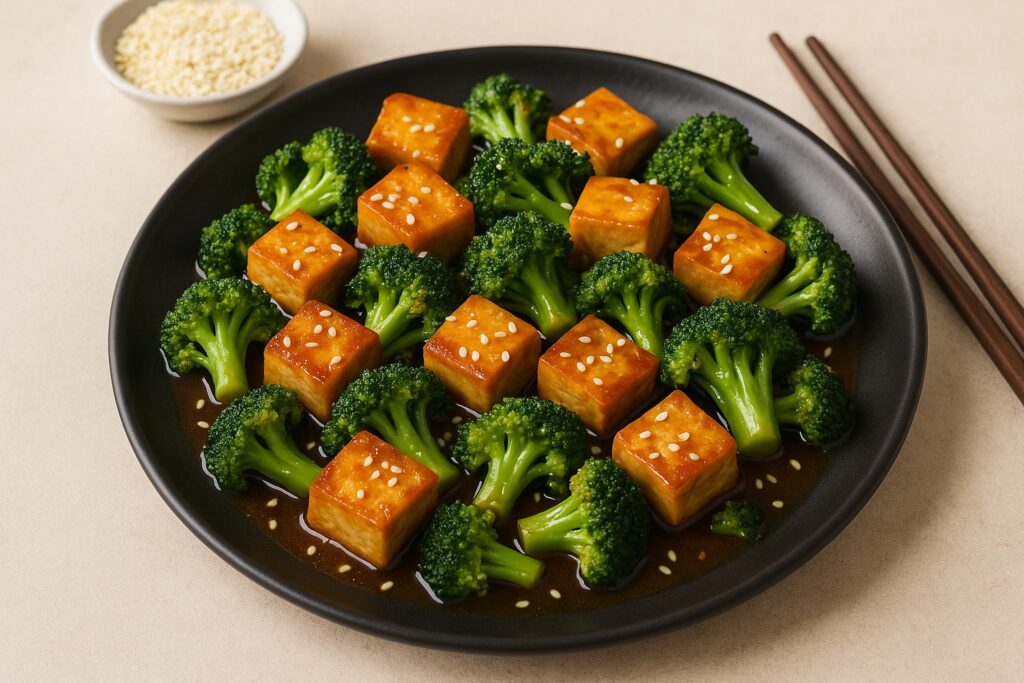
Tofu and Broccoli Stir-Fry: A Delicious, Protein-Packed Plant-Based Classic

There’s something incredibly satisfying about a dish that manages to be both nourishing and uncomplicated. If you’ve ever struggled to find a dinner that’s quick, healthy, and truly flavorful, you’re not alone. That’s where a classic tofu and broccoli stir-fry comes in—it’s the kind of meal that can be pulled together on a weeknight yet feels wholesome enough to be part of your regular meal rotation. Best of all, it’s packed with nutrients that your body will genuinely benefit from.

Tofu and Broccoli Stir-Fry: A Delicious, Protein-Packed Plant-Based Classic

A Plant-Based Match That Just Works

Some ingredients seem to naturally belong together. Tofu and broccoli are one such pairing that checks all the right boxes—nutritional value, complementary textures, and ease of preparation. When cooked right, tofu becomes golden and crispy on the outside while staying tender inside. Broccoli, when just lightly stir-fried, retains a bright crunch that contrasts beautifully with the tofu’s softness.

But this combination isn’t just about taste and texture. It’s also about what they bring to the table nutritionally. Tofu is one of the best sources of plant-based protein and contains essential amino acids, iron, and calcium. Broccoli, meanwhile, is known for its high vitamin C content, fiber, and impressive antioxidant profile. Together, they form a meal that’s as energizing as it is filling.


Going Beyond the Basics: Health Perks You Can Feel

Instead of just listing nutrients, let’s explore why this stir-fry should be more than an occasional option. Starting with protein, tofu offers a meat-free way to maintain muscle mass, support energy levels, and help you feel full longer. For anyone aiming to eat less meat without sacrificing nutrition, tofu fills that gap effortlessly.

Broccoli pulls its weight in the dish, too. It’s not just a “healthy side” tossed in for color. This green powerhouse supports everything from digestion to immune health, thanks to its fiber and phytochemicals. Regularly consuming broccoli has also been linked to reduced inflammation and even protection against certain types of cancer.

Put the two together, and you’ve got a dish that supports your metabolism, heart, digestive system, and long-term wellness—all in one pan.


Recipe: A Weeknight Wonder That’s Anything But Boring

One of the biggest reasons people return to this dish again and again is how easily it fits into busy schedules. There’s no complicated prep and no hard-to-find ingredients—just good, honest cooking.

Ingredients:

  • 1 block of firm tofu, drained and cubed
  • 2–3 cups of broccoli florets
  • 2 tablespoons sesame oil (or a neutral cooking oil)
  • 2 tablespoons soy sauce (or tamari for gluten-free)
  • 1 tablespoon hoisin sauce (optional, for a sweet-savory kick)
  • 2 garlic cloves, minced
  • 1 teaspoon freshly grated ginger
  • 1 teaspoon cornstarch dissolved in 2 tablespoons water (to thicken sauce)
  • Optional toppings: sesame seeds, chopped scallions, red pepper flakes

Directions:

1. Start with the tofu. If you’ve got 10 spare minutes, press the tofu by wrapping it in a clean towel and placing something heavy on top. Removing excess moisture allows it to crisp up beautifully when fried.

2. Cook the tofu. Heat a tablespoon of oil in a non-stick skillet or wok over medium-high heat. Add the cubed tofu and let it sear undisturbed for a few minutes on each side. The goal here is a golden-brown crust that holds up well in the sauce.

3. Stir-fry the aromatics. Remove the tofu and set it aside. In the same pan, add the remaining oil. Toss in the garlic and ginger and stir for about 30 seconds, just until the aroma releases.

4. Add the broccoli. Stir-fry it for about 3 to 5 minutes. You want it to be bright green and just tender enough—avoid overcooking so it retains its texture and nutrients.

5. Combine and finish. Return the tofu to the pan, pour in the soy sauce and hoisin sauce, and add the cornstarch slurry. Stir everything well, letting the sauce bubble and thicken slightly.

6. Serve. Spoon it over warm rice or quinoa, sprinkle with sesame seeds or green onions, and enjoy while it’s hot.


Tips to Take It to the Next Level

A good stir-fry is all about technique and timing. Here are a few extra tips that can turn your dish from average to exceptional:

  • Use high heat but avoid burning the garlic. A quick stir over strong heat creates that classic stir-fry char and prevents sogginess.
  • Cut broccoli uniformly so it cooks evenly. Undercooked stems and overcooked florets don’t make for a great bite.
  • Don’t skip the slurry. That simple cornstarch mixture gives the sauce that glossy, restaurant-style finish you’ve probably tried to replicate before.
  • Let the tofu crisp without flipping constantly. Give each side a minute or two to brown. Resist the urge to stir it around too soon.

Flavor Tweaks and Variations to Try

Everyone has their own take on stir-fry, and this one is easy to customize:

  • For a spicy version, toss in a spoonful of chili garlic sauce or add some thinly sliced Thai chilis.
  • Swap in tamari or coconut aminos if you’re cutting back on sodium or eating gluten-free.
  • Add in other vegetables like red bell pepper, snow peas, or mushrooms to bulk it up.
  • Want a sweeter sauce? A drizzle of maple syrup or a splash of pineapple juice balances out the saltiness beautifully.

Why This Stir-Fry Deserves a Spot in Your Rotation

At its core, tofu and broccoli stir-fry is more than a recipe—it’s a strategy. It’s how you feed yourself (and your family) well, without spending hours in the kitchen or resorting to prepackaged, processed options. It proves that plant-based meals don’t have to be bland or boring. Instead, they can be bold, vibrant, and deeply satisfying.

And maybe that’s the biggest takeaway here: food doesn’t need to be complicated to be good for you. This stir-fry is proof that simple ingredients, treated well, can deliver flavor, comfort, and nutrition all in one bowl.

source: Food Impromptu

Looking for More Healthy Plant-Based Meals?

If dishes like this speak to your lifestyle or goals, keep exploring! There are endless ways to bring variety, balance, and joy into your meals without sacrificing health. But if you only try one recipe this week, let it be this one. You won’t regret it.

The written content on this page was generated by ChatGPT.
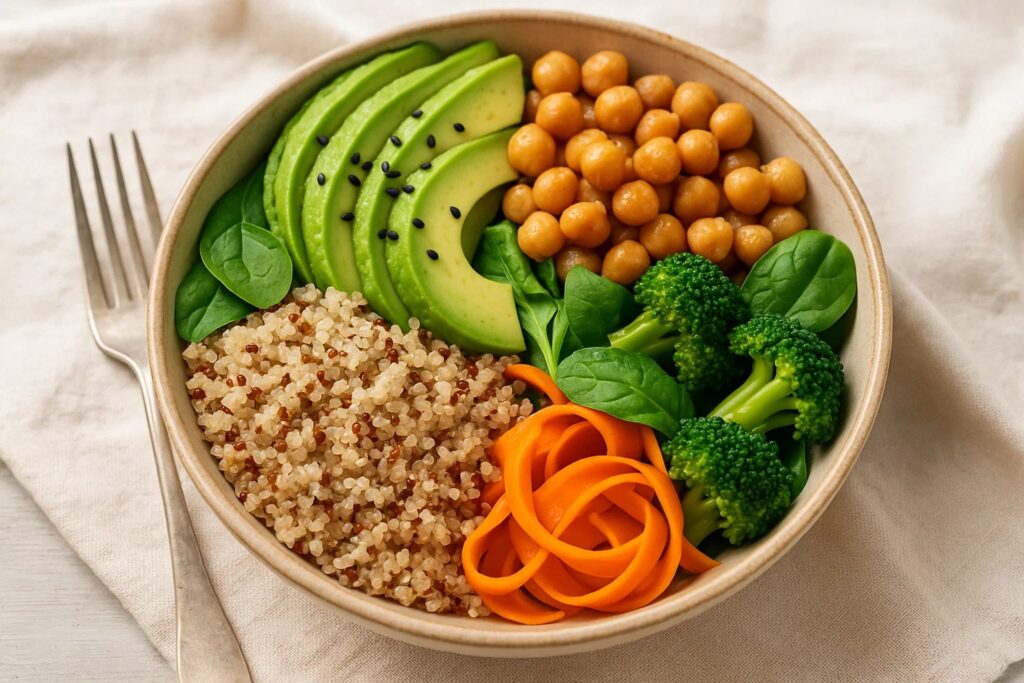
Chickpea and Quinoa Buddha Bowl: A Protein-Packed Powerhouse for Plant-Based Living

There is something deeply comforting about a bowl of food that’s both nourishing and satisfying. The Chickpea and Quinoa Buddha Bowl fits that bill effortlessly. While there are countless variations of grain bowls in the plant-based world, this one stands out not because it tries to be trendy, but because it delivers on all the essentials: balanced nutrition, taste, and adaptability.

Unlike meals that rely heavily on processed ingredients, this bowl brings it back to basics. Quinoa, a humble seed often mistaken for a grain, serves as a soft, fluffy base. Chickpeas—those nutty, creamy legumes—offer hearty texture and plant-based protein. When paired with a medley of vegetables, healthy fats, and an intentional dressing, this bowl becomes more than just a lunch. It’s a full-body recharge.

Chickpea and Quinoa Buddha Bowl: A Protein-Packed Powerhouse for Plant-Based Living

What’s Behind the Bowl?

Let’s break down the building blocks of this power-packed dish and explore what makes each component valuable not just nutritionally, but culinarily.

Quinoa: The Quiet Superfood

Quinoa is often described as a superfood, and for good reason. Unlike most plant foods, it’s a complete protein, which means it contains all nine essential amino acids your body can’t make on its own. That alone makes it a strong choice for anyone eating a more plant-forward diet. But it also brings magnesium, iron, B-vitamins, and fiber to the table.

Plus, it’s quick-cooking—ready in about 15 minutes—and has a subtle nutty flavor that plays well with any number of dressings or toppings.

Chickpeas: Affordable Protein with Staying Power

Also known as garbanzo beans, chickpeas have been a staple in diets across the Middle East, India, and North Africa for centuries. They’re affordable, accessible, and incredibly versatile. A single cup of cooked chickpeas packs about 15 grams of protein and a generous dose of dietary fiber. That combination helps you feel full longer, supports digestion, and contributes to steady energy levels throughout the day.

Roasting them with olive oil and spices like cumin, paprika, and garlic powder brings out a delicious crunch and adds complexity to your bowl.

Supporting Cast: Vegetables, Fats, and Dressings

While quinoa and chickpeas lay the foundation, it’s the supporting ingredients that turn this into a memorable meal.

Colorful Vegetables

Adding raw, steamed, or roasted vegetables gives the bowl both color and variety. Think:

  • Roasted sweet potato cubes for natural sweetness
  • Steamed broccoli for added fiber and vitamin C
  • Shredded carrots or red cabbage for crunch and color
  • Cherry tomatoes for a juicy, tangy contrast

Healthy Fats

Incorporating healthy fats makes the bowl more satisfying and helps with nutrient absorption. Sliced avocado, a drizzle of tahini, or a sprinkle of sunflower or hemp seeds all do the job beautifully.

Dressings That Tie It All Together

A dressing brings the entire bowl together. A creamy lemon tahini sauce is a classic choice, but a balsamic vinaigrette or a miso-ginger blend can be just as impactful. The key is to make sure your dressing adds depth and ties the ingredients into a cohesive dish.

Nutritional Benefits at a Glance

This Buddha bowl isn’t just pretty on a plate—it’s a workhorse when it comes to nutrition. Here’s a quick overview of what it supports:

  • Muscle Repair and Growth: Thanks to the complete protein in quinoa and the high protein content in chickpeas.
  • Digestive Health: Fiber from chickpeas, quinoa, and vegetables promotes healthy digestion and regularity.
  • Heart Health: Chickpeas have been shown to reduce LDL cholesterol levels, and healthy fats like avocado support cardiovascular wellness.
  • Balanced Energy: The combination of complex carbs, healthy fats, and protein ensures slow energy release and reduces crashes.

Ideal for Meal Prep

Another reason this bowl is a standout? It’s incredibly meal-prep friendly. Cook a batch of quinoa and roast a tray of chickpeas and veggies on Sunday, and you’ll have lunches or dinners ready for days. Store components separately to preserve texture, and mix and match dressings to keep things interesting.

Customization Tips

One of the biggest advantages of the Chickpea and Quinoa Buddha Bowl is its versatility. You can:

  • Swap quinoa for brown rice or couscous
  • Add fermented foods like kimchi for gut health
  • Use seasonal vegetables to keep it fresh year-round
  • Make it spicy with chili flakes or a sriracha drizzle

This bowl doesn’t demand perfection—it welcomes improvisation.

source: Minimalist Baker

There’s a reason the Chickpea and Quinoa Buddha Bowl has become a modern staple. It’s more than just a recipe; it’s a template for how to build meals that nourish you, keep you full, and taste great every single time.

In a world full of diet fads and complicated meal plans, sometimes the most satisfying food is also the simplest. And in the case of this Buddha bowl, simple doesn’t mean boring. It means building a plate that reflects balance, intention, and nourishment.

So next time you need a dependable, healthy meal—whether you’re cooking for one or feeding a crowd—reach for the chickpeas and quinoa. Your body (and your taste buds) will thank you.

The written content on this page was generated by ChatGPT.

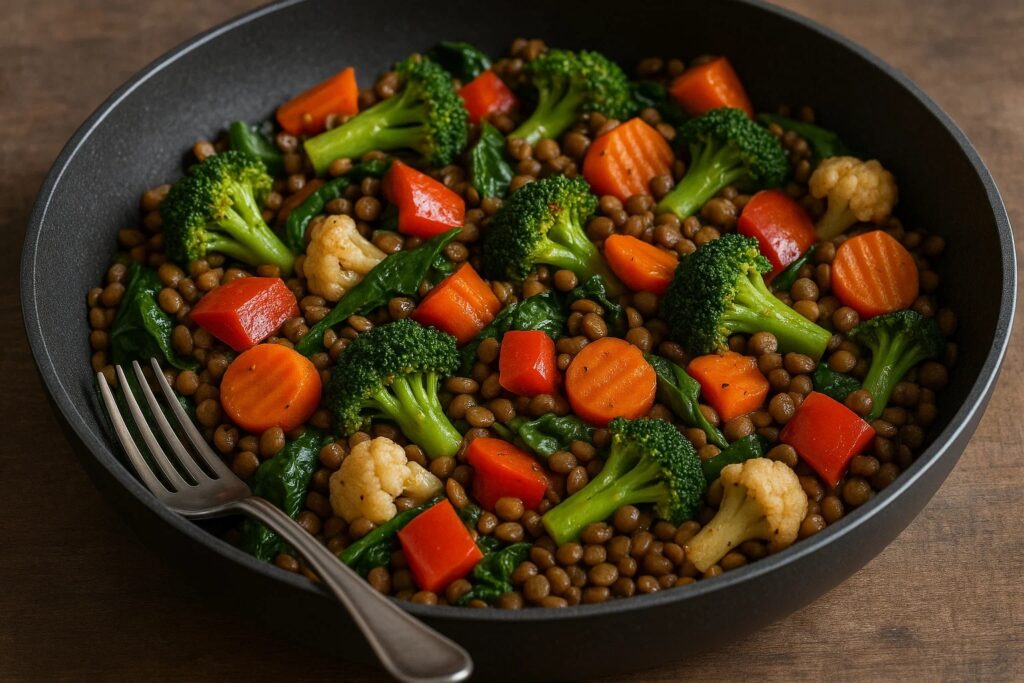
Lentil Veggie Stir-Fry: A Delicious, Protein-Packed Plant-Based Meal for Any Day

There’s something deeply satisfying about cooking a meal that feels as good as it tastes — a dish that nourishes your body without sacrificing flavor. In a world that’s constantly racing forward, more people are beginning to rediscover the value of slow, intentional food. Not slow in time, necessarily — but slow in mindfulness. This is where a dish like Lentil Veggie Stir-Fry truly shines.

Bringing together earthy lentils, crisp seasonal vegetables, and a savory, tangy sauce, this meal checks every box: simple, nourishing, high in plant-based protein, and utterly crave-worthy. Whether you’re trying to eat more vegetarian meals or just looking for a healthy weeknight option, this recipe delivers big on both taste and nutrition.

Lentil Veggie Stir-Fry: A Delicious, Protein-Packed Plant-Based Meal for Any Day

Why Lentils Deserve a Spot in Your Weekly Rotation

Long considered a dietary staple in cultures around the world, lentils are finally getting the attention they deserve in Western kitchens. And it’s about time.

Lentils are tiny legumes, but don’t let their size fool you — they’re loaded with nutrients. A single cup of cooked lentils provides:

  • 18 grams of plant-based protein
  • 15 grams of fiber
  • Over 35% of your daily iron
  • Key minerals like magnesium, zinc, and potassium

Unlike dried beans, lentils cook fast and don’t require any soaking. They’re easy to store, budget-friendly, and incredibly versatile — which makes them ideal for busy households looking to prepare real food without a fuss.

And the best part? Lentils naturally pair well with just about every vegetable under the sun.


Health Benefits of Lentil Veggie Stir-Fry

The beauty of this recipe lies in its nutritional balance. It’s a dish that does more than just fill your stomach — it supports your long-term wellness.

1. Complete Nutrition in One Pan

You get a combination of complex carbohydrates, protein, fiber, vitamins, and minerals all in one dish. The lentils fuel your muscles and support recovery, while the vegetables provide antioxidants, anti-inflammatory compounds, and phytonutrients.

2. Blood Sugar Friendly

Because this stir-fry is rich in fiber and protein, it slows digestion and prevents blood sugar spikes. If you’re managing diabetes or insulin resistance, this dish offers a stable, low-glycemic option that keeps you satisfied longer.

3. Supports Heart and Gut Health

Soluble fiber in lentils helps lower LDL cholesterol. Meanwhile, the fiber from both lentils and vegetables feeds the healthy bacteria in your gut, improving digestion and supporting immunity.

4. Weight-Management Friendly

This dish is naturally low in calories but high in volume. The fiber content helps you feel full for longer, making it easier to manage portions without ever feeling deprived.


Ingredients: Fresh, Simple, and Customizable

One of the best aspects of this recipe is its flexibility. You can easily adjust it based on what’s in season or already in your fridge.

Here’s what you’ll need for the base:

  • 1 cup dry lentils (green or brown work best)
  • 2 ½ cups water or vegetable broth
  • 2 tablespoons olive oil (or sesame oil for extra flavor)
  • 2 garlic cloves, minced
  • 1-inch piece of fresh ginger, peeled and grated
  • 1 red bell pepper, thinly sliced
  • 1 large carrot, julienned or thinly sliced
  • 1 cup broccoli florets
  • ½ cup snap peas or green beans
  • ½ small red onion, sliced
  • 2 tablespoons low-sodium soy sauce (or tamari for gluten-free)
  • 1 tablespoon rice vinegar or lime juice
  • 1 teaspoon maple syrup or honey (optional)
  • Pinch of red pepper flakes (optional)
  • Sesame seeds & chopped green onions, for garnish

Cooking Instructions: Step-by-Step for Success

Even if you’re not confident in the kitchen, this recipe is incredibly forgiving. It’s perfect for weeknights, meal prep, or last-minute dinners when you want something warm, healthy, and filling.

1. Cook the Lentils

Start by rinsing the lentils under cool running water. In a medium saucepan, combine lentils with water or broth. Bring to a gentle boil, then lower the heat and simmer uncovered for 20–25 minutes. You’re aiming for lentils that are soft but not mushy. Once cooked, drain any excess liquid and set aside.

Pro Tip: Add a bay leaf to the cooking water for subtle aromatic flavor.

2. Prep the Veggies

While the lentils are cooking, prepare your vegetables. Wash, slice, and get everything chopped and ready to go. Stir-frying happens quickly, so having your ingredients prepped ahead of time makes it seamless.

3. Sauté the Aromatics

Heat oil in a large skillet or wok over medium heat. Add garlic and ginger and sauté for 30–45 seconds, just until fragrant. Be careful not to let the garlic burn.

4. Add the Vegetables

Start with firmer veggies like carrots and broccoli. Stir-fry for 2–3 minutes, then toss in the bell pepper, onion, and snap peas. Stir frequently, and let them cook until just tender but still bright and crisp — around 5–7 minutes total.

5. Combine with Lentils and Sauce

Add the cooked lentils to the pan. Pour in the soy sauce, vinegar, and maple syrup. Toss everything together to coat evenly. Let it simmer for another 2 minutes so the flavors can meld.

6. Finish and Garnish

Sprinkle sesame seeds and sliced green onions over the top before serving. Enjoy it as is, or serve it over a grain like brown rice, quinoa, or cauliflower rice.


Ways to Make It Your Own

This stir-fry is endlessly adaptable. Here are a few ideas to switch it up:

  • Add leafy greens like spinach, kale, or bok choy at the end for extra nutrients.
  • Make it spicy with chili paste, sriracha, or diced jalapeños.
  • Go nutty by tossing in roasted cashews or a spoonful of almond butter into the sauce for depth.
  • Change the grain: Serve over barley, wild rice, or soba noodles for variety.

Storage and Meal Prep Tips

This stir-fry makes excellent leftovers. Store it in airtight containers in the fridge for up to 4 days. The flavors actually deepen overnight, making it even tastier the next day.

You can also double the batch and freeze individual portions for future meals. Just let it cool completely before freezing, and reheat on the stove or microwave with a splash of water or broth.

source: Vegan Richa

Eating healthy doesn’t mean eating bland. This Lentil Veggie Stir-Fry proves that real food can be deeply flavorful, comforting, and satisfying. It’s a plant-based recipe that offers complete nutrition, bold taste, and flexibility for every lifestyle.

Whether you’re vegetarian, flexitarian, or just looking for a fresh take on weeknight dinners, this dish is worth adding to your go-to recipe list.

If you give it a try, tag your photos with #LentilVeggieStirFry or share your tweaks in the comments. Let your creativity guide the way — and enjoy every bite.

The written content on this page was generated by ChatGPT.

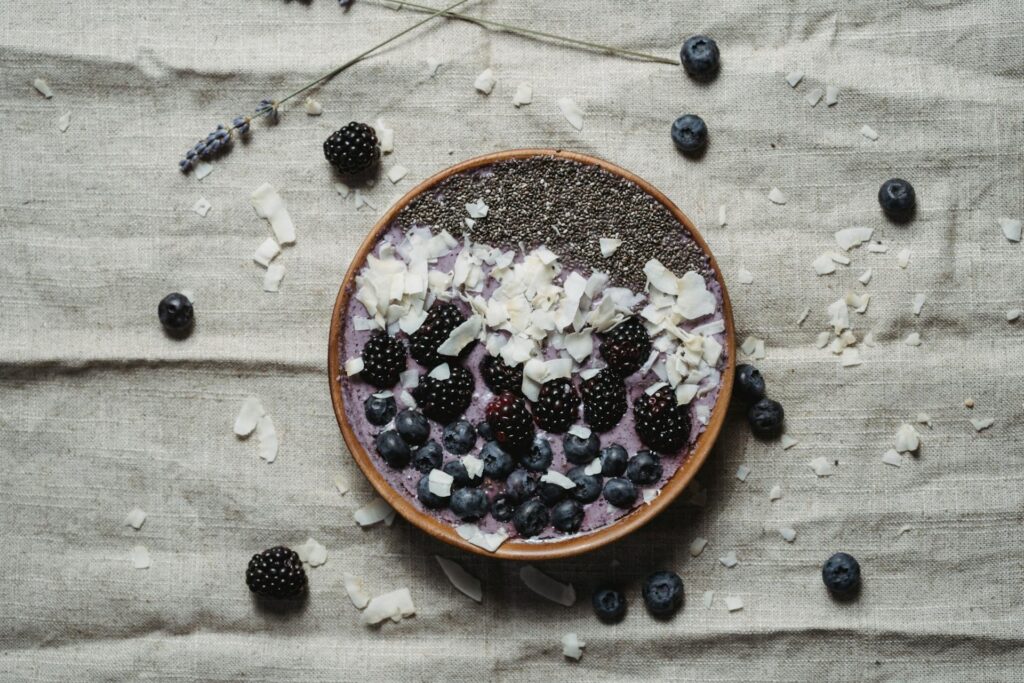
Superfood Smoothie Bowls The Colorful, Nutrient-Rich Revolution Your Mornings Need

There’s something deeply satisfying about starting your morning with a meal that not only tastes incredible but also gives your body exactly what it needs to thrive. That’s where superfood smoothie bowls come in. These colorful, nutrient-rich bowls aren’t just about aesthetics — they’re about function, flavor, and fueling your day with intention.

In a world where meals are often rushed and nutrition takes a backseat, the smoothie bowl offers a refreshing shift. It encourages you to slow down, choose your ingredients with care, and embrace the act of nourishing yourself from the inside out.

Let’s take a closer look at why smoothie bowls made with superfoods have become such a staple for health-conscious individuals — and how you can create your own right at home.

What Makes a Smoothie Bowl “Super”?

At its simplest, a smoothie bowl is just that — a smoothie poured into a bowl. But when you elevate the ingredients by incorporating superfoods, you transform a basic blend into a meal with real benefits.

Superfoods, though not a scientific term, are widely recognized for their exceptional nutritional content. These are ingredients that are particularly high in antioxidants, fiber, vitamins, and minerals. When added to your smoothie bowl, they can support everything from energy levels and digestion to immunity and skin health.

Commonly used superfoods in smoothie bowls include:

  • Açaí – A deep purple berry known for its antioxidant content.
  • Chia seeds – Tiny seeds rich in omega-3s and fiber.
  • Flaxseed – Great for digestion and heart health.
  • Spirulina – A nutrient-dense algae loaded with protein and B vitamins.
  • Goji berries – Bright red berries with immune-supportive properties.
  • Hemp seeds – A solid plant-based protein source.
  • Cacao nibs – Raw chocolate pieces that provide magnesium and antioxidants.

Each of these ingredients adds a layer of health benefits while contributing unique texture and flavor to your bowl.


Why They’re Worth Adding to Your Routine

People love smoothie bowls for their beautiful appearance, but the real magic lies in how they make you feel. Here’s what you stand to gain by making them part of your morning ritual:

1. Steady, Natural Energy

Because smoothie bowls typically contain a balance of complex carbs, healthy fats, and protein, they offer long-lasting energy — no crash or sugar spike involved. Ingredients like bananas, oats, and nut butters release energy slowly, helping you power through your morning.

2. A Healthier Gut

Fiber is crucial for digestion, and smoothie bowls can be a rich source of it. When you include ingredients like ground flaxseed, chia, or even leafy greens, you’re supporting your digestive system naturally. Plus, if you add a spoonful of yogurt or kefir, you’re introducing beneficial probiotics to your gut.

3. Immune Support

Berries, citrus fruits, and greens are rich in vitamin C and other antioxidants, which help defend the body against free radicals and support immune function. Goji berries and spirulina, in particular, are known for their immune-boosting qualities.

4. Skin, Hair, and Nail Health

Many of the vitamins and minerals found in smoothie bowl ingredients — such as vitamin E, biotin, and omega-3s — are key players in maintaining clear skin, strong nails, and shiny hair. A smoothie bowl with avocado, berries, and hemp seeds can give your skin that healthy glow.

5. Mental Clarity

Brain-friendly nutrients like magnesium, omega-3s, and B vitamins can help with focus and memory. Adding ingredients like walnuts, spinach, and cacao nibs can make a noticeable difference in your ability to concentrate.


How to Build a Perfect Smoothie Bowl

Creating your own smoothie bowl at home is both fun and flexible. You don’t need fancy tools or ingredients — just a bit of creativity and a blender.

Step 1: Start with the Base

The base is what gives your bowl its creamy texture. For best results, use frozen fruit to keep it thick.

Try blending:

  • 1 frozen banana
  • ½ cup frozen mango or berries
  • ¼ avocado for healthy fats
  • ½ cup plant milk (like almond or oat milk)

You’re aiming for a texture that’s thicker than a drinkable smoothie — think soft-serve ice cream. If the blend is too runny, add a bit more frozen fruit or ice.


Step 2: Boost with Superfoods

Once your base is blended, it’s time to mix in your superfoods. These pack a powerful nutritional punch without overwhelming the flavor.

Consider adding:

  • 1 tbsp chia or flaxseed
  • 1 tsp spirulina or matcha
  • 1 tbsp nut butter
  • Optional: A scoop of plant-based protein or collagen (if it fits your diet)

Blend everything again until smooth.


Step 3: Add Toppings with Texture and Nutrition

This is where your bowl really comes to life. Toppings not only add crunch and color but also provide added nutrients.

Topping ideas:

  • Sliced banana, kiwi, or strawberries
  • Fresh blueberries or pomegranate seeds
  • Coconut flakes or cacao nibs
  • Granola (look for low-sugar varieties)
  • Drizzle of almond butter or honey

Be mindful of portions — it’s easy to go overboard and turn your healthy bowl into a calorie bomb.


Sample Recipe: Tropical Green Superfood Bowl

Here’s a quick recipe you can try tomorrow morning:

Ingredients (Base):

  • 1 frozen banana
  • ½ cup frozen pineapple
  • ½ avocado
  • ½ cup spinach
  • ½ cup coconut water

Superfood Add-ins:

  • 1 tbsp chia seeds
  • 1 tsp spirulina
  • 1 scoop plant-based protein (vanilla flavor works well)

Toppings:

  • Kiwi slices
  • Blueberries
  • Coconut flakes
  • Hemp seeds
  • A drizzle of almond butter

Blend the base until creamy, pour it into a bowl, then add your toppings. Simple, nourishing, and satisfying.


Tailor It to Your Needs

What’s great about smoothie bowls is how adaptable they are:

  • For weight management: Stick to lower-sugar fruits (like berries) and focus on fiber and protein.
  • For post-workout: Add more protein and a bit of healthy fat to help with muscle recovery.
  • For digestive support: Include ingredients with prebiotics (bananas) and probiotics (yogurt).
source: Fablunch

Smoothie bowls made with superfoods are more than just a health trend. They offer a creative and practical way to nourish your body, support your well-being, and add a bit of joy to your morning routine. Whether you’re looking to improve your focus, strengthen your immunity, or simply enjoy a beautiful and satisfying meal, a well-made smoothie bowl can help you get there.

Give it a try, make it your own, and see how a bowl full of goodness can change the way you approach your day.


🍓 What’s your go-to smoothie bowl combo? Share it with us in the comments!


The written content on this page was generated by ChatGPT.

Vibrant Veggie Frittata: The Ultimate Morning Fuel That Nourishes from the Inside Out

Some mornings, all it takes is one good meal to change the direction of your entire day. For me, that dish is often a veggie-packed frittata. It’s not just breakfast—it’s comfort, nourishment, and a small moment of care before the rush begins. The Vibrant Veggie Frittata has become one of my favorite ways to start the day, and once you try it, you might feel the same.

In this post, I’m diving into what makes this simple dish so satisfying—from its Italian roots to the health benefits hidden in every bite. I’ll also walk you through a favorite recipe that’s easy to make, endlessly customizable, and—most importantly—delicious.

The Humble Origins of the Frittata

The word frittata might sound fancy, but the idea behind it is beautifully simple. Think of it as an Italian-style omelet, but more relaxed. While an omelet is quick and folded, the frittata takes its time. It’s cooked gently, often finished in the oven, and served in hearty slices.

What I love most about it is how flexible it is. Traditionally, it was a way to use up leftovers—whatever veggies or bits of cheese you had in the fridge. That spirit still holds true today. You don’t need anything fancy to make a good frittata. Just eggs, a splash of milk, a few vegetables, and maybe a sprinkle of herbs or cheese.


Why It’s Good for You

Sure, it looks pretty on the plate with its mix of greens, reds, and yellows. But there’s more to this dish than just color. Each ingredient brings something valuable to the table.

Protein to Keep You Going

Eggs are a great source of complete protein, which helps keep hunger at bay and supports muscle repair. A frittata in the morning means you’re less likely to crash or snack on something sugary before lunch.

A Mix of Veggies for Full-Body Support

Loading up your frittata with vegetables—like spinach, bell peppers, tomatoes, and onions—adds vitamins, minerals, and fiber. It’s an easy way to get closer to your daily veggie intake without feeling like you’re eating a salad.

Good Fats for Brain Health

Cooking with olive oil or adding a bit of cheese doesn’t just make it taste better. It helps your body absorb fat-soluble nutrients like vitamins A, D, E, and K. Plus, those healthy fats can support your brain and keep you feeling satisfied longer.


Not Just for Breakfast

One of the things that surprised me about frittatas is how well they hold up throughout the day. While they’re perfect for breakfast, I often slice a leftover wedge for lunch or dinner. Add a light salad or soup, and you’ve got a meal that feels fresh and filling.

They’re also perfect for meal prepping. You can make one on a Sunday evening, pop it in the fridge, and enjoy slices all week. It’s a great option when you want something fast but still homemade.


A Go-To Recipe: Vibrant Veggie Frittata

Here’s a version I’ve come to rely on. It uses common vegetables and a handful of pantry staples. Feel free to tweak it based on what you have—this dish is all about flexibility.

Ingredients

  • 6 large eggs
  • 1/4 cup milk (any kind works—dairy or plant-based)
  • 1 tablespoon olive oil
  • 1/2 red bell pepper, diced
  • 1/2 yellow bell pepper, diced
  • 1/2 zucchini, chopped
  • 1/2 small red onion, sliced
  • A handful of fresh spinach or kale
  • A small handful of cherry tomatoes, halved
  • 1/3 cup crumbled feta (optional)
  • Salt and black pepper
  • Fresh herbs (basil, parsley, or chives work well)

How to Make It

  1. Preheat your oven to 375°F (190°C).
  2. Crack the eggs into a bowl, add milk, salt, and pepper, and whisk until smooth.
  3. Warm up the olive oil in a medium, oven-safe skillet over medium heat.
  4. Add your vegetables to the pan, starting with the onions and peppers. Let them cook for a few minutes until they begin to soften. Toss in the zucchini and spinach, cooking just until wilted.
  5. Pour the eggs evenly over the vegetables. Let the bottom set for a minute, then sprinkle in your feta.
  6. Transfer the skillet to the oven and bake for about 12–15 minutes, or until the center is just firm.
  7. Let it cool slightly, garnish with fresh herbs, and serve in slices.

Extra Tips to Make It Your Own

  • Try different veggies depending on the season: asparagus in spring, roasted sweet potatoes in fall.
  • Make it dairy-free by skipping the cheese or using a plant-based alternative.
  • Add a kick with chopped jalapeños or a pinch of chili flakes.
  • Use leftover roasted veggies from dinner the night before.
source: Downshiftology

More Than Just a Meal

Cooking a frittata has become a quiet ritual in my week. It’s not rushed. It doesn’t involve a lot of cleanup. But it always leaves me feeling like I’ve done something good for myself.

At its heart, the Vibrant Veggie Frittata is about more than nutrition. It’s about the joy of color on your plate, the comfort of real food, and the reminder that even the simplest meals can make a difference in how we feel.

So whether you’re cooking for yourself, feeding a family, or just trying to eat more vegetables without overthinking it—give this recipe a try. It might just become a favorite in your kitchen too.


Have a favorite version of your own? I’d love to hear what veggies or toppings you use. Drop a comment or tag your creation with #VibrantFrittata to share the inspiration!

The written content on this page was generated by ChatGPT.