Tag: Plant-Based Protein

Tempeh Lettuce Wraps: A Flavorful, Plant-Based Twist on a Classic Favorite

here’s something incredibly satisfying about meals you can pick up with your hands. Wraps, tacos, rolls—they offer a kind of casual simplicity that feels comforting, yet when done right, can be packed with nourishing, high-quality ingredients. Tempeh lettuce wraps fall right into that category: easy to make, endlessly customizable, and surprisingly filling. But beyond the fresh crunch and bold flavor lies a nutritional powerhouse, built on one of the most underrated proteins in the plant-based world—tempeh.

This article isn’t just another recipe rundown. It’s a closer look at why these wraps deserve a spot on your weekly menu, how to make them come alive with flavor, and the health benefits that make tempeh a true superfood.

Why Tempeh? A Deeper Look Into This Fermented Marvel

Tempeh might not have the widespread recognition of tofu or the mainstream appeal of plant-based meat substitutes, but it’s been a staple in Indonesian cuisine for centuries. Made by fermenting cooked soybeans into a firm cake, tempeh brings more than just protein to the table—it offers substance, texture, and a subtly nutty flavor that adapts beautifully to marinades and sautés.

What makes tempeh special isn’t just what it offers nutritionally—it’s also how those nutrients are delivered. Because it’s fermented, tempeh provides natural probiotics that support gut health, something most high-protein foods can’t claim. Plus, it’s minimally processed, high in fiber, and incredibly versatile.

Here’s what 100 grams of tempeh typically delivers:

  • ~19g of protein (complete amino acid profile)
  • Iron, calcium, magnesium, and B vitamins
  • Fiber and gut-friendly compounds thanks to fermentation
  • No cholesterol, making it a heart-healthy protein source

For those seeking clean energy, muscle recovery, or better digestion, tempeh checks all the boxes.


The Lettuce Wrap: Simple, Crisp, and Perfectly Balanced

Now, why lettuce? While it might seem like just a vessel for the filling, the right lettuce turns this dish into a textural masterpiece. Think of it as your blank canvas—cool, crisp, and hydrating. Using lettuce leaves instead of tortillas or flatbreads cuts down on carbs and calories while still delivering on the crunch.

Butter lettuce is often the go-to because of its soft, pliable leaves and subtle flavor. Romaine and green leaf are excellent too, especially if you like a sturdier bite.

Together with tempeh, the result is a light yet satisfying meal that feels fresh and wholesome but doesn’t skimp on flavor or protein.


How to Build the Ultimate Tempeh Lettuce Wrap

There are endless ways to flavor and build tempeh wraps, but let’s start with a foundational recipe that delivers a rich, savory flavor with a hint of spice and sweetness.

Ingredients You’ll Need:

  • 1 block of tempeh (8 oz), crumbled or cubed
  • 1 tbsp sesame oil
  • 2 cloves garlic, finely chopped
  • 1 tbsp grated ginger
  • 3 tbsp soy sauce or tamari (for gluten-free)
  • 1 tbsp rice vinegar
  • 1 tbsp maple syrup (or agave nectar)
  • 1 tsp sriracha (optional, for heat)
  • 1 head butter lettuce (washed, leaves separated)
  • 1 shredded carrot
  • 1/4 cup scallions (chopped)
  • 2 tbsp fresh cilantro (optional)
  • 1 tbsp toasted sesame seeds
  • Add-ins: diced bell pepper, avocado slices, chopped peanuts

Directions:

  1. Prep and Steam the Tempeh (optional, but recommended)
    Tempeh can have a slightly bitter edge if you use it straight from the package. Steaming it for 10 minutes softens the flavor and opens it up for better absorption of marinades.
  2. Sauté for Flavor
    Heat sesame oil in a skillet over medium. Add garlic and ginger first—let them sizzle for about a minute until fragrant. Toss in the tempeh and sauté until it begins to brown, about 5-7 minutes.
  3. Add the Sauce
    Whisk together soy sauce, rice vinegar, maple syrup, and sriracha. Pour this into the pan and stir well, making sure the tempeh is coated evenly. Let it cook another few minutes until the sauce thickens slightly and clings to the tempeh.
  4. Build the Wraps
    Take a lettuce leaf, spoon in a portion of the tempeh mixture, and top with shredded carrot, scallions, cilantro, and sesame seeds. Add optional toppings for more texture or creaminess.
  5. Serve Fresh
    These wraps are best enjoyed right after assembly. Serve them on a platter and let everyone build their own for a fun, hands-on meal.

Mix It Up: Flavor Variations and Add-Ons

Once you’ve got the base down, the sky’s the limit. Here are a few variations that keep things exciting:

  • Thai Peanut Style: Swap the soy-based sauce for a creamy peanut sauce with lime and crushed peanuts. Add chopped cucumber and mint for cooling contrast.
  • Smoky BBQ: Use your favorite vegan BBQ sauce and serve with red cabbage and avocado slices.
  • Mediterranean: Replace the soy sauce with olive oil, lemon, garlic, and oregano. Top with chopped olives, tomatoes, and a dollop of hummus.

These wraps are endlessly flexible, which makes them great for meal prepping or feeding groups with different tastes.


Beyond Taste: The Nutritional Edge

Let’s break it down. A serving of tempeh lettuce wraps can easily offer:

  • 20–25g of plant-based protein
  • High fiber content, thanks to tempeh and veggies
  • Low glycemic index, which helps maintain stable energy
  • No refined carbs or added sugars (if you skip bottled sauces)
  • Essential micronutrients, including calcium, iron, B vitamins, and magnesium

If you’re trying to eat clean, build muscle, or just support your gut, these wraps aren’t just a tasty option—they’re a strategic one.

source: Well Your World

Why Tempeh Lettuce Wraps Belong in Your Kitchen

In a world of fast food and complicated recipes, it’s refreshing to have something so simple yet so good for you. Tempeh lettuce wraps combine wholesome ingredients with satisfying flavors and textures, all while keeping your prep time short and your cleanup minimal. Whether you’re vegetarian, flexitarian, or just looking for something new, this is the kind of dish that makes plant-based eating feel accessible, enjoyable, and seriously delicious.

So next time you’re reaching for something quick and healthy, skip the processed stuff and give these wraps a try. Your body—and your taste buds—will thank you.

The written content on this page was generated by ChatGPT.
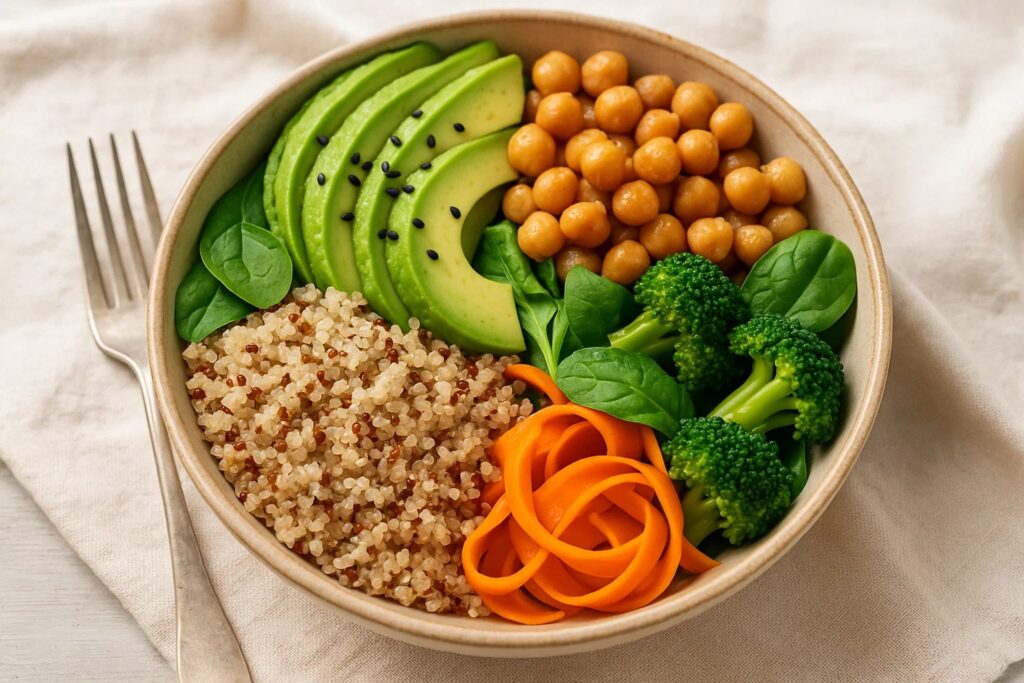
Chickpea and Quinoa Buddha Bowl: A Protein-Packed Powerhouse for Plant-Based Living

There is something deeply comforting about a bowl of food that’s both nourishing and satisfying. The Chickpea and Quinoa Buddha Bowl fits that bill effortlessly. While there are countless variations of grain bowls in the plant-based world, this one stands out not because it tries to be trendy, but because it delivers on all the essentials: balanced nutrition, taste, and adaptability.

Unlike meals that rely heavily on processed ingredients, this bowl brings it back to basics. Quinoa, a humble seed often mistaken for a grain, serves as a soft, fluffy base. Chickpeas—those nutty, creamy legumes—offer hearty texture and plant-based protein. When paired with a medley of vegetables, healthy fats, and an intentional dressing, this bowl becomes more than just a lunch. It’s a full-body recharge.

Chickpea and Quinoa Buddha Bowl: A Protein-Packed Powerhouse for Plant-Based Living

What’s Behind the Bowl?

Let’s break down the building blocks of this power-packed dish and explore what makes each component valuable not just nutritionally, but culinarily.

Quinoa: The Quiet Superfood

Quinoa is often described as a superfood, and for good reason. Unlike most plant foods, it’s a complete protein, which means it contains all nine essential amino acids your body can’t make on its own. That alone makes it a strong choice for anyone eating a more plant-forward diet. But it also brings magnesium, iron, B-vitamins, and fiber to the table.

Plus, it’s quick-cooking—ready in about 15 minutes—and has a subtle nutty flavor that plays well with any number of dressings or toppings.

Chickpeas: Affordable Protein with Staying Power

Also known as garbanzo beans, chickpeas have been a staple in diets across the Middle East, India, and North Africa for centuries. They’re affordable, accessible, and incredibly versatile. A single cup of cooked chickpeas packs about 15 grams of protein and a generous dose of dietary fiber. That combination helps you feel full longer, supports digestion, and contributes to steady energy levels throughout the day.

Roasting them with olive oil and spices like cumin, paprika, and garlic powder brings out a delicious crunch and adds complexity to your bowl.

Supporting Cast: Vegetables, Fats, and Dressings

While quinoa and chickpeas lay the foundation, it’s the supporting ingredients that turn this into a memorable meal.

Colorful Vegetables

Adding raw, steamed, or roasted vegetables gives the bowl both color and variety. Think:

  • Roasted sweet potato cubes for natural sweetness
  • Steamed broccoli for added fiber and vitamin C
  • Shredded carrots or red cabbage for crunch and color
  • Cherry tomatoes for a juicy, tangy contrast

Healthy Fats

Incorporating healthy fats makes the bowl more satisfying and helps with nutrient absorption. Sliced avocado, a drizzle of tahini, or a sprinkle of sunflower or hemp seeds all do the job beautifully.

Dressings That Tie It All Together

A dressing brings the entire bowl together. A creamy lemon tahini sauce is a classic choice, but a balsamic vinaigrette or a miso-ginger blend can be just as impactful. The key is to make sure your dressing adds depth and ties the ingredients into a cohesive dish.

Nutritional Benefits at a Glance

This Buddha bowl isn’t just pretty on a plate—it’s a workhorse when it comes to nutrition. Here’s a quick overview of what it supports:

  • Muscle Repair and Growth: Thanks to the complete protein in quinoa and the high protein content in chickpeas.
  • Digestive Health: Fiber from chickpeas, quinoa, and vegetables promotes healthy digestion and regularity.
  • Heart Health: Chickpeas have been shown to reduce LDL cholesterol levels, and healthy fats like avocado support cardiovascular wellness.
  • Balanced Energy: The combination of complex carbs, healthy fats, and protein ensures slow energy release and reduces crashes.

Ideal for Meal Prep

Another reason this bowl is a standout? It’s incredibly meal-prep friendly. Cook a batch of quinoa and roast a tray of chickpeas and veggies on Sunday, and you’ll have lunches or dinners ready for days. Store components separately to preserve texture, and mix and match dressings to keep things interesting.

Customization Tips

One of the biggest advantages of the Chickpea and Quinoa Buddha Bowl is its versatility. You can:

  • Swap quinoa for brown rice or couscous
  • Add fermented foods like kimchi for gut health
  • Use seasonal vegetables to keep it fresh year-round
  • Make it spicy with chili flakes or a sriracha drizzle

This bowl doesn’t demand perfection—it welcomes improvisation.

source: Minimalist Baker

There’s a reason the Chickpea and Quinoa Buddha Bowl has become a modern staple. It’s more than just a recipe; it’s a template for how to build meals that nourish you, keep you full, and taste great every single time.

In a world full of diet fads and complicated meal plans, sometimes the most satisfying food is also the simplest. And in the case of this Buddha bowl, simple doesn’t mean boring. It means building a plate that reflects balance, intention, and nourishment.

So next time you need a dependable, healthy meal—whether you’re cooking for one or feeding a crowd—reach for the chickpeas and quinoa. Your body (and your taste buds) will thank you.

The written content on this page was generated by ChatGPT.
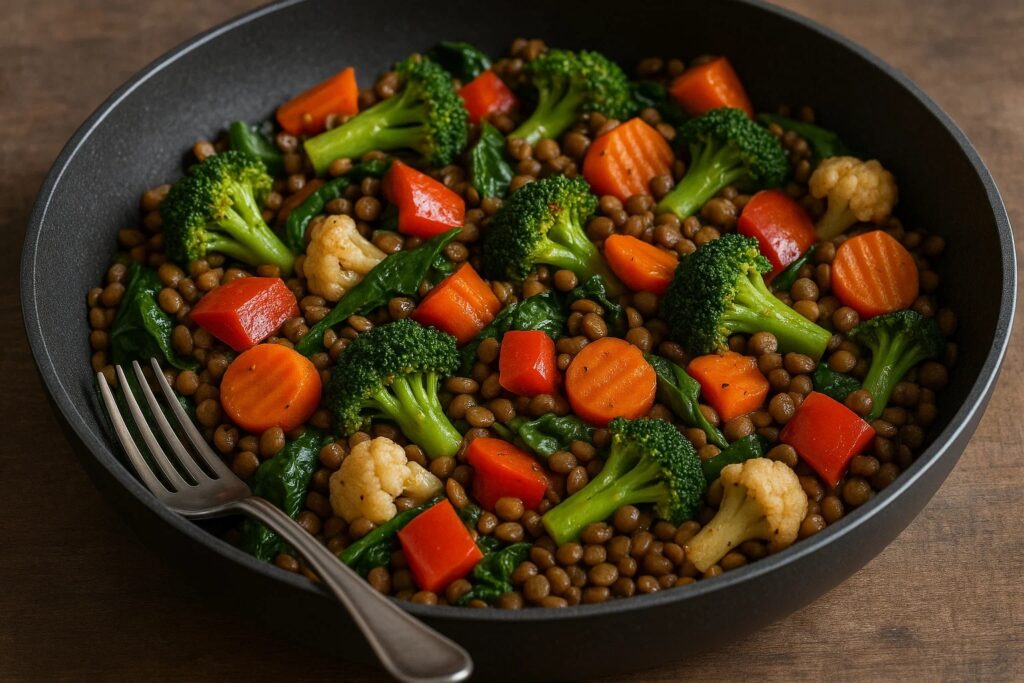
Lentil Veggie Stir-Fry: A Delicious, Protein-Packed Plant-Based Meal for Any Day

There’s something deeply satisfying about cooking a meal that feels as good as it tastes — a dish that nourishes your body without sacrificing flavor. In a world that’s constantly racing forward, more people are beginning to rediscover the value of slow, intentional food. Not slow in time, necessarily — but slow in mindfulness. This is where a dish like Lentil Veggie Stir-Fry truly shines.

Bringing together earthy lentils, crisp seasonal vegetables, and a savory, tangy sauce, this meal checks every box: simple, nourishing, high in plant-based protein, and utterly crave-worthy. Whether you’re trying to eat more vegetarian meals or just looking for a healthy weeknight option, this recipe delivers big on both taste and nutrition.

Lentil Veggie Stir-Fry: A Delicious, Protein-Packed Plant-Based Meal for Any Day

Why Lentils Deserve a Spot in Your Weekly Rotation

Long considered a dietary staple in cultures around the world, lentils are finally getting the attention they deserve in Western kitchens. And it’s about time.

Lentils are tiny legumes, but don’t let their size fool you — they’re loaded with nutrients. A single cup of cooked lentils provides:

  • 18 grams of plant-based protein
  • 15 grams of fiber
  • Over 35% of your daily iron
  • Key minerals like magnesium, zinc, and potassium

Unlike dried beans, lentils cook fast and don’t require any soaking. They’re easy to store, budget-friendly, and incredibly versatile — which makes them ideal for busy households looking to prepare real food without a fuss.

And the best part? Lentils naturally pair well with just about every vegetable under the sun.


Health Benefits of Lentil Veggie Stir-Fry

The beauty of this recipe lies in its nutritional balance. It’s a dish that does more than just fill your stomach — it supports your long-term wellness.

1. Complete Nutrition in One Pan

You get a combination of complex carbohydrates, protein, fiber, vitamins, and minerals all in one dish. The lentils fuel your muscles and support recovery, while the vegetables provide antioxidants, anti-inflammatory compounds, and phytonutrients.

2. Blood Sugar Friendly

Because this stir-fry is rich in fiber and protein, it slows digestion and prevents blood sugar spikes. If you’re managing diabetes or insulin resistance, this dish offers a stable, low-glycemic option that keeps you satisfied longer.

3. Supports Heart and Gut Health

Soluble fiber in lentils helps lower LDL cholesterol. Meanwhile, the fiber from both lentils and vegetables feeds the healthy bacteria in your gut, improving digestion and supporting immunity.

4. Weight-Management Friendly

This dish is naturally low in calories but high in volume. The fiber content helps you feel full for longer, making it easier to manage portions without ever feeling deprived.


Ingredients: Fresh, Simple, and Customizable

One of the best aspects of this recipe is its flexibility. You can easily adjust it based on what’s in season or already in your fridge.

Here’s what you’ll need for the base:

  • 1 cup dry lentils (green or brown work best)
  • 2 ½ cups water or vegetable broth
  • 2 tablespoons olive oil (or sesame oil for extra flavor)
  • 2 garlic cloves, minced
  • 1-inch piece of fresh ginger, peeled and grated
  • 1 red bell pepper, thinly sliced
  • 1 large carrot, julienned or thinly sliced
  • 1 cup broccoli florets
  • ½ cup snap peas or green beans
  • ½ small red onion, sliced
  • 2 tablespoons low-sodium soy sauce (or tamari for gluten-free)
  • 1 tablespoon rice vinegar or lime juice
  • 1 teaspoon maple syrup or honey (optional)
  • Pinch of red pepper flakes (optional)
  • Sesame seeds & chopped green onions, for garnish

Cooking Instructions: Step-by-Step for Success

Even if you’re not confident in the kitchen, this recipe is incredibly forgiving. It’s perfect for weeknights, meal prep, or last-minute dinners when you want something warm, healthy, and filling.

1. Cook the Lentils

Start by rinsing the lentils under cool running water. In a medium saucepan, combine lentils with water or broth. Bring to a gentle boil, then lower the heat and simmer uncovered for 20–25 minutes. You’re aiming for lentils that are soft but not mushy. Once cooked, drain any excess liquid and set aside.

Pro Tip: Add a bay leaf to the cooking water for subtle aromatic flavor.

2. Prep the Veggies

While the lentils are cooking, prepare your vegetables. Wash, slice, and get everything chopped and ready to go. Stir-frying happens quickly, so having your ingredients prepped ahead of time makes it seamless.

3. Sauté the Aromatics

Heat oil in a large skillet or wok over medium heat. Add garlic and ginger and sauté for 30–45 seconds, just until fragrant. Be careful not to let the garlic burn.

4. Add the Vegetables

Start with firmer veggies like carrots and broccoli. Stir-fry for 2–3 minutes, then toss in the bell pepper, onion, and snap peas. Stir frequently, and let them cook until just tender but still bright and crisp — around 5–7 minutes total.

5. Combine with Lentils and Sauce

Add the cooked lentils to the pan. Pour in the soy sauce, vinegar, and maple syrup. Toss everything together to coat evenly. Let it simmer for another 2 minutes so the flavors can meld.

6. Finish and Garnish

Sprinkle sesame seeds and sliced green onions over the top before serving. Enjoy it as is, or serve it over a grain like brown rice, quinoa, or cauliflower rice.


Ways to Make It Your Own

This stir-fry is endlessly adaptable. Here are a few ideas to switch it up:

  • Add leafy greens like spinach, kale, or bok choy at the end for extra nutrients.
  • Make it spicy with chili paste, sriracha, or diced jalapeños.
  • Go nutty by tossing in roasted cashews or a spoonful of almond butter into the sauce for depth.
  • Change the grain: Serve over barley, wild rice, or soba noodles for variety.

Storage and Meal Prep Tips

This stir-fry makes excellent leftovers. Store it in airtight containers in the fridge for up to 4 days. The flavors actually deepen overnight, making it even tastier the next day.

You can also double the batch and freeze individual portions for future meals. Just let it cool completely before freezing, and reheat on the stove or microwave with a splash of water or broth.

source: Vegan Richa

Eating healthy doesn’t mean eating bland. This Lentil Veggie Stir-Fry proves that real food can be deeply flavorful, comforting, and satisfying. It’s a plant-based recipe that offers complete nutrition, bold taste, and flexibility for every lifestyle.

Whether you’re vegetarian, flexitarian, or just looking for a fresh take on weeknight dinners, this dish is worth adding to your go-to recipe list.

If you give it a try, tag your photos with #LentilVeggieStirFry or share your tweaks in the comments. Let your creativity guide the way — and enjoy every bite.

The written content on this page was generated by ChatGPT.