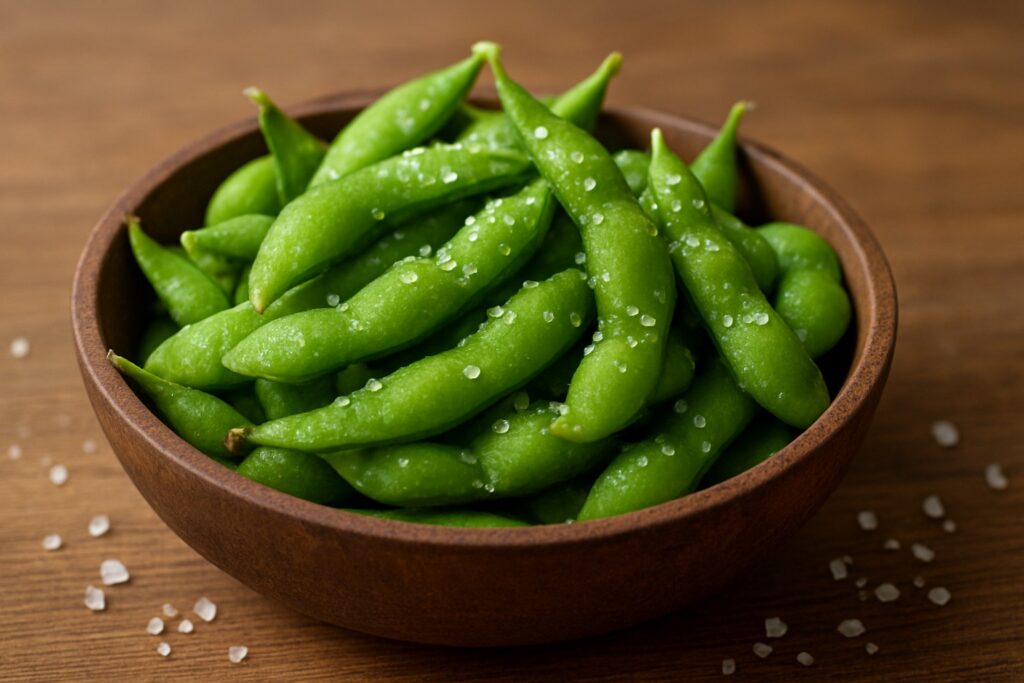
There’s something remarkably refreshing about reaching for a snack that doesn’t come from a crinkly bag filled with artificial flavors and preservatives. In a time when we’re all trying to make better food choices without sacrificing flavor, edamame sprinkled with sea salt emerges as a nearly perfect option—nutritious, satisfying, and delightfully simple.
If you’ve ever sat down at a Japanese restaurant and been served a warm bowl of edamame pods dusted in salt, you’ve already experienced their charm. But what many people don’t realize is that this humble snack is brimming with essential nutrients and plant-based protein. And when paired with the right kind of salt—like mineral-rich sea salt—it becomes a powerhouse for both health and taste.
From Humble Origins to Modern Superfood
Edamame has long been a staple in East Asian cuisine, particularly in Japan, China, and Korea. Traditionally served as a snack or appetizer, edamame is simply the name for young, green soybeans harvested before they fully mature. Unlike their beige, dried cousins used for tofu or soy milk, these bright green pods are tender, slightly sweet, and utterly addictive when seasoned right.
Although it has ancient roots, edamame didn’t make its way into Western supermarkets and health food circles until fairly recently. Today, thanks to the growing interest in plant-based eating and high-protein vegetarian options, it’s earned a spot in many households as a delicious and health-conscious snack.
What Makes Edamame So Nutritious?
Edamame stands out in the world of healthy snacks because of its exceptional nutrient profile. One cup of cooked edamame (in pods) delivers more than just flavor—it offers an impressive range of essential nutrients your body craves:
- 17 grams of high-quality protein
- 8 grams of dietary fiber
- Iron, calcium, and magnesium
- Folate and vitamin K
- All nine essential amino acids
It’s also worth noting that edamame is one of the few plant-based foods that qualifies as a complete protein—something usually only found in animal products. That makes it an ideal protein source for vegetarians, vegans, or anyone trying to eat more plant-forward.
The fiber content in edamame adds another layer of benefit, helping you feel fuller for longer while supporting healthy digestion. With so much nutritional value packed into each bite, it’s no surprise that edamame is often considered a superfood.
Why Sea Salt? A Perfect Pairing with Purpose
While edamame is fantastic on its own, adding a pinch of sea salt elevates it to another level of satisfaction. But sea salt isn’t just about taste—it brings a nutritional edge that standard table salt can’t match.
Sea salt is derived through natural evaporation of seawater and typically undergoes less processing than table salt. As a result, it retains trace minerals like calcium, potassium, magnesium, and iron, which support electrolyte balance, bone health, and even cardiovascular function.
From a culinary perspective, sea salt enhances the natural umami of the edamame, drawing out its nutty, earthy notes without overpowering its clean flavor. A light toss of salt is all it takes to turn a simple bean into a crave-worthy snack.
The Health Benefits: More Than Just a Tasty Bite
Edamame seasoned with sea salt offers more than great taste—it delivers real health benefits that make it a standout snack for everyday eating.
1. Supports Muscle Repair and Growth
Thanks to its high protein content and complete amino acid profile, edamame is particularly beneficial for anyone focused on maintaining or building muscle. Whether you’re an athlete, recovering from exercise, or simply trying to stay strong as you age, the protein in edamame helps your body rebuild and recover.
2. Balances Blood Sugar Levels
Unlike many carbohydrate-heavy snacks, edamame has a low glycemic index. That means it won’t cause sudden blood sugar spikes. The combo of protein and fiber also slows digestion, helping keep energy levels steady and reducing cravings.
3. Promotes Heart Health
Regular consumption of soy-based foods like edamame has been linked to lower LDL cholesterol (the “bad” kind) and improved heart function. The isoflavones in soybeans, combined with magnesium and folate, contribute to a healthier cardiovascular system.
4. Aids in Weight Management
Feeling full and satisfied is crucial if you’re trying to avoid unnecessary snacking or overeating. Edamame checks both boxes, thanks to its dense protein and fiber content. It’s the kind of snack that helps you feel fueled, not just full.
How to Prepare Edamame with Sea Salt: Simple and Delicious
Making your own edamame at home couldn’t be easier. Here’s a foolproof method to get that restaurant-style experience in your own kitchen.
Ingredients:
- 1 bag of frozen edamame in pods (available at most supermarkets)
- Sea salt to taste (start with 1/2 to 1 tsp)
- Optional: chili flakes, garlic powder, toasted sesame oil
Instructions:
- Boil water in a medium pot. Add a pinch of salt for flavor.
- Add the frozen edamame and cook for 4–5 minutes, until the pods are heated through and tender.
- Drain and transfer to a bowl. While still warm, sprinkle generously with sea salt and toss to coat.
- Add optional toppings for a kick—chili flakes or a drizzle of sesame oil work beautifully.
To eat, simply squeeze the beans out of the pods with your teeth and discard the outer shells. Serve warm for a comforting snack or chilled as a refreshing bite in warmer weather.
Is Edamame Right for Everyone? A Few Considerations
While edamame is widely considered a healthy food, there are a few things to keep in mind:
- Soy Allergies: As with any soy product, people with soy allergies should avoid edamame.
- Thyroid Concerns: Individuals with thyroid issues should consult their doctor, as excessive soy consumption may interact with thyroid medication.
- Sodium Sensitivity: While sea salt is less refined than table salt, it still contains sodium. Those watching their sodium intake may want to season more lightly or use alternatives like lemon juice or low-sodium tamari.
For most people, however, edamame with sea salt is not only safe but highly beneficial when enjoyed as part of a balanced diet.
Where to Buy Edamame
You’ll find frozen edamame in pods at nearly any major grocery store, usually in the frozen vegetable section. Asian grocery stores may also carry fresh edamame, which tends to cook faster and have a slightly sweeter flavor.
Choose organic when possible, and look for options with minimal packaging or additives for the cleanest version of this wholesome snack.
A Small Snack That Delivers Big
There’s a quiet kind of brilliance in foods that don’t need much to shine. Edamame with sea salt is exactly that kind of snack—nutrient-rich, unpretentious, and immensely satisfying. It’s proof that simple ingredients, when treated with care, can offer tremendous rewards for your health and your taste buds.
Whether you’re eating it as a midday energy boost, pairing it with dinner, or setting it out for guests as a nourishing appetizer, this vibrant green snack is always a smart choice.
So the next time you’re tempted by chips or cookies, reach instead for a warm bowl of edamame with sea salt. Your body—and your palate—will thank you.
The written content on this page was generated by ChatGPT.